Look, I’m going to be straight with you about food trucks and fall events in New York. This isn’t going to be some sanitized sales pitch.
I’ve spent the last eight years coordinating events in this city, and sometime around 2019, I stopped even pretending that traditional catering was always the better option. Food trucks used to be this novelty thing you’d consider for maybe a super casual company BBQ. Now? I’ve got clients asking about them for everything. And honestly, for fall events especially, they make a lot of sense.
The Weather Thing
You know how summer in NYC is basically unbearable? Last August, I worked this corporate event in Long Island City, and it was 92 degrees. People were melting.
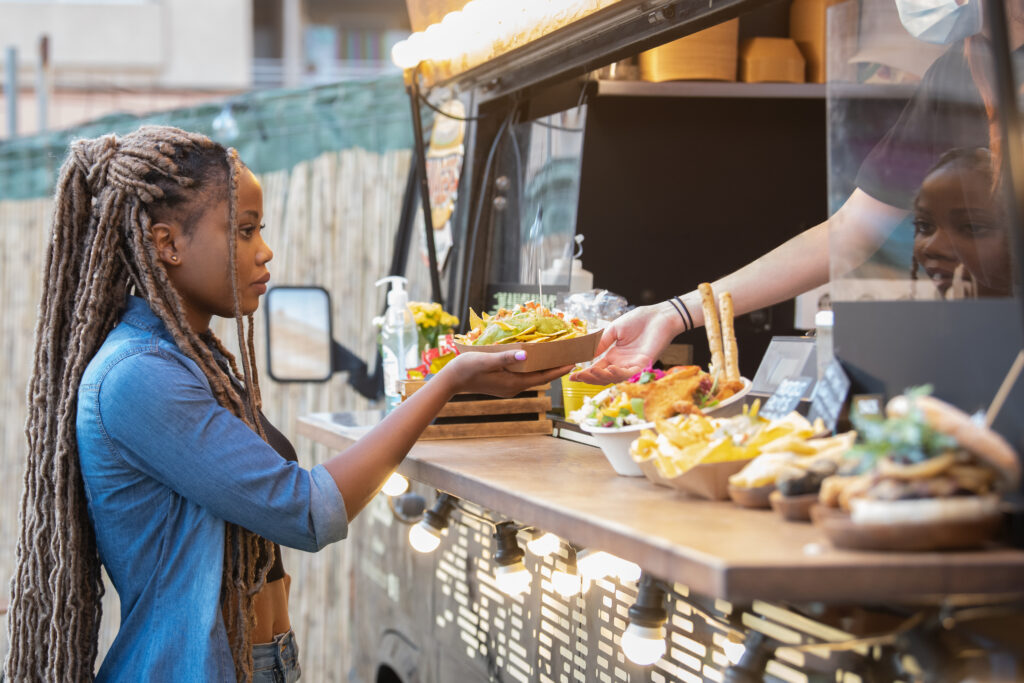
Best NYC Events Food Truck Catered
Standing in any kind of food line was torture. The food truck we’d hired—which was supposed to be this fun addition—just became this thing everyone resented because who wants to stand on hot asphalt waiting for tacos when you’re already sweating through your business casual?
Winter has the opposite problem. I watched people at a February event last year literally speed-walk to grab their food and run back inside. Nobody lingered. Nobody enjoyed it.
But fall hits different. Mid-October, early November—those are your golden weeks. It’s maybe 60, 65 degrees. There’s actual sunshine, but you’re not dying. People will stand outside and chat. They’ll walk around. They’ll actually go back for seconds because being outdoors doesn’t feel like punishment. The whole thing just works better.
Why Food Trucks Actually Solve Problems
So here’s where food trucks started making sense to me beyond just the weather. Space in New York is always this impossible puzzle. I did this event two years ago at a raw space in Gowanus—gorgeous venue, exposed brick, the whole nine yards. Zero kitchen. Like, not even a functional sink situation.
The client initially wanted traditional catering. Fine. But then we started mapping out what that would actually mean. The caterer would need to prep everything at their commercial kitchen in Queens, transport it during rush hour, keep everything at a temperature, somehow set up a full serving station with no prep space, deal with trash and cleanup in a building with one small service elevator. The quote came back at almost $85 per person and that was before rentals.
We ended up going with three food trucks instead. They pulled up, parked, and started cooking. That’s it. The total cost was closer to $45 per person and the food was better because it wasn’t sitting in warming trays. Problem solved.
And that’s happened more than once. Rooftop spaces. Parks where the nearest kitchen is half a mile away. Corporate campuses with cafeterias that won’t let outside caterers use their facilities. Food trucks just bypass all of that because they’re self-contained. They’ve got their own power, water, equipment, everything.
The Part Nobody Talks About
Traditional catering has this massive hidden stress that nobody really acknowledges until you’re in it. You have to guess how many people want salmon versus chicken. You order 60 vegetarian plates and 8 show up, but 20 people suddenly decide they want the veggie option. Or worse, you’ve got dietary restrictions all over the map and you’re trying to accommodate them with one or two menu choices.
I had a client lose it over this last year. Full meltdown. “How am I supposed to know if people want the beef or the fish?!” And I’m like, yeah, you’re not. It’s an impossible guessing game.
Food trucks flip that entire problem on its head. You bring in two or three trucks with different food styles—maybe one does really good street tacos, another does Korean BBQ, there’s a vegan truck—and people just choose what they want. You’re not playing prediction games. The ones who want something adventurous get that. The picky eaters can get something safe. Everyone’s happy, and you’re not stressed about quantities.
The street food scene in NYC has gotten ridiculous in the best way. I’ve worked with trucks that do Thai cuisine that’s better than some restaurants. Wood-fired pizza trucks. This one truck that basically only does elevated grilled cheese, but they’re incredible at it. There’s a range now.
It Changes How People Act
This is going to sound fuzzy, but I’ve noticed it enough times that it’s a real thing. The vibe at an event with food trucks is just different than traditional catering. People move around more. They talk to different people while waiting in line. They watch the food being made and that becomes a conversation starter.
At plated dinners or buffet situations, people tend to sit and stay sitting. You get these pockets where groups know each other and nobody really mingles. With food trucks, everyone’s circulating. It’s more organic.
We did this corporate retreat thing last October in Brooklyn Bridge Park. Three trucks, about 150 people. The food trucks became this natural gathering point where the C-suite folks ended up in line behind junior staff and they actually talked to each other. You don’t get that at a sit-down dinner where everyone’s segregated by seniority.
Plus, people take photos of food trucks. I don’t fully understand it, but they do. And then they post them. Free marketing for your event. Not the worst thing.
Let’s Talk Money
Events in New York cost stupid amounts of money. The venue’s expensive, everything’s expensive. So yeah, budget matters.
Food trucks are usually cheaper than traditional catering. Not always—if you’re hiring a celebrity chef’s truck for a small group, that can get pricey. But generally, you’re looking at a better value. They’ve got lower overhead. No need for rental equipment, no waitstaff, smaller team. A lot of that savings ends up in your favor.
Average food truck catering I’ve seen runs anywhere from $20-40 per person, depending on the type of food. Traditional catering for comparable quality is usually $50-80+. And you’re not sacrificing quality. Sometimes the food truck stuff is better because it’s made to order instead of sitting under heat lamps.
The catch is you’re not getting the formal dining experience. No one’s taking your coat or refilling your wine glass. But for most fall events—corporate team things, casual weddings, festivals—that formality isn’t what you’re going for anyway.
The Annoying Practical Stuff
Okay, so if you’re actually considering this, here’s what trips people up.
Permits and venue restrictions. New York has rules about mobile food vendors and some venues have their own policies. You need to check this before you get excited about a specific truck. I’ve had venues flat-out say no food trucks because of insurance, or they have exclusive catering agreements. Figure this out first, not after you’ve already committed to the idea.
Book early. Food trucks that are actually good get booked up fast, especially for fall weekends. You want a specific truck? Start looking in two months. Maybe three if we’re talking October, when everyone wants to do outdoor events.
Think about the actual logistics. Where are the trucks parking? How are people going to line up? Is there power if they need it? I’ve seen events where nobody thought about traffic flow and you end up with chaos because there’s nowhere for people to actually stand while they wait.
And weather backup. Fall is usually great, but I’ve been burned by random rainstorms. Have tents or covered areas near the trucks. Or be okay with people getting a little wet. But have a plan.
Different Events Need Different Setups
Corporate stuff—food trucks work great for lunch or happy hour situations. Keeps it relaxed. People grab food when they want it. Good for networking because everyone’s moving around.
Weddings are trickier. I’ve done weddings with food trucks that were amazing. I’ve also seen ones where it felt off. If you’re doing formal attire and a traditional vibe, probably skip the trucks. But if you’re doing something more laid-back, they can be perfect. One couple did a main dinner truck and then a dessert truck for late-night and everyone loved it.
Festivals and community events are the obvious use case. Multiple trucks, people wander, that’s the whole point. Works perfectly for fall street fairs and outdoor markets.
Bottom Line
Food trucks aren’t always the right call. If you need formal service or you’re doing an indoor event with a great venue kitchen, maybe traditional catering makes more sense. But for fall events in NYC, especially outdoor or semi-outdoor situations, they solve a lot of problems.
The weather’s right. The logistics are simpler. The food variety is real. People tend to enjoy the experience. And it usually costs less.
I’m not saying abandon all traditional catering forever. I’m saying that food trucks have become a legitimate option that deserves consideration, not just a novelty. The industry’s matured. The quality’s there. And for October and November events in New York, the timing just works.
If you’re planning something this fall, talk to a few food truck operators. Get quotes. See what they can actually do. You might be surprised. Or you might decide it’s not your thing and go another route. Either way, at least you’ll know.